
Plantar fasciitis is one of the most common causes of heel pain in adults. It can affect people of all ages, but it is especially common among middle-aged individuals, runners, people who spend long hours standing, and those who are overweight. Although the condition can be painful and frustrating, most people recover successfully with proper treatment and lifestyle changes.
What Is Plantar Fasciitis?
The plantar fascia is a thick band of connective tissue that runs along the bottom of the foot. It stretches from the heel bone to the base of the toes and acts like a shock absorber, supporting the arch of the foot. When this tissue becomes irritated, inflamed, or develops tiny tears due to repeated stress, the condition is called plantar fasciitis.
Despite the name suggesting inflammation, modern research indicates that chronic plantar fasciitis often involves degeneration of the tissue rather than active inflammation.
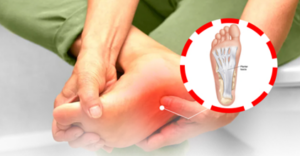
What Causes Plantar Fasciitis?
Plantar fasciitis develops when excessive stress is placed on the plantar fascia. Several factors can increase the risk:
- Prolonged standing, especially on hard surfaces
- Excess body weight or obesity
- Running, jogging, or high-impact sports
- Flat feet or excessively high arches
- Tight calf muscles or Achilles tendon
- Wearing shoes with poor arch support
- Sudden increase in physical activity
- Aging, which reduces the elasticity of tissues
Many people develop plantar fasciitis without any obvious injury. Instead, the condition usually develops gradually over time.
What Are the Symptoms?
The most common symptom is pain at the bottom of the heel. Typical features include:
- Sharp or stabbing pain when taking the first steps in the morning
- Pain after sitting for a long period and then standing up
- Heel pain that improves after walking for a few minutes but may return later
- Discomfort after prolonged standing or exercise
- Tenderness when pressing on the inner side of the heel
The pain is often worse in the morning because the plantar fascia tightens during sleep. When a person stands and walks, the tissue stretches suddenly, causing pain.
How Is It Diagnosed?
Diagnosis is usually based on a medical history and physical examination. A doctor will ask about symptoms, daily activities, and examine the foot for tenderness and tightness.
In most cases, imaging tests are not required. However, X-rays, ultrasound, or MRI may be recommended if symptoms are severe, prolonged, or if another condition is suspected. A heel spur may be seen on an X-ray, but heel spurs themselves are not usually the cause of pain.
Treatment Options
Most people improve without surgery. Conservative treatment is successful in over 90% of cases.
Rest and Activity Modification
Reducing activities that worsen pain, such as prolonged standing or running, allows the tissue to heal. Low-impact exercises like swimming or cycling may be continued.
Stretching Exercises
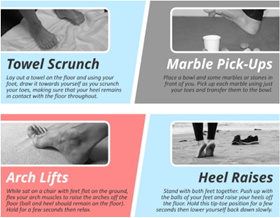
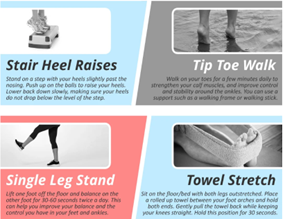
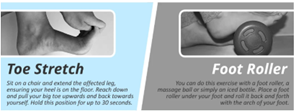
Regular stretching of the plantar fascia and calf muscles is one of the most effective treatments. Simple exercises performed several times a day can reduce tension on the heel.
Examples include:
- Calf stretches against a wall
- Toe stretches
- Rolling the foot over a cold water bottle or tennis ball
Proper Footwear
Supportive shoes with good cushioning and arch support help reduce stress on the plantar fascia. Walking barefoot on hard floors should be avoided.
Orthotic Inserts
Custom-made or over-the-counter shoe inserts can provide additional support and improve foot mechanics.
Ice Therapy
Applying ice to the painful area for 15–20 minutes several times a day can reduce pain and inflammation.
Medications
Pain-relieving medications such as paracetamol or non-steroidal anti-inflammatory drugs (NSAIDs) may provide temporary relief. These should be used according to medical advice.
Night Splints
Night splints keep the foot gently stretched while sleeping and may reduce morning pain.
Advanced Treatment Options
If symptoms persist for several months despite conservative treatment, additional therapies may be considered
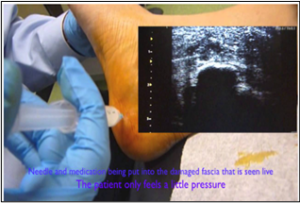
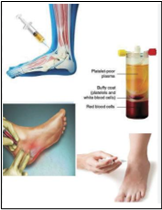
- Platelet-rich plasma (PRP) therapy
- Extracorporeal shockwave therapy (ESWT)
- Radiofrequency treatment in selected cases
These treatments are generally reserved for patients who do not respond to standard care.
Is Surgery Necessary?
Surgery is rarely required. It is usually considered only after 6–12 months of unsuccessful conservative treatment. Surgical procedures aim to release part of the plantar fascia and relieve tension. Most patients recover without needing surgery.
Prevention
Several simple measures can help prevent plantar fasciitis:
- Maintain a healthy body weight
- Wear supportive and comfortable footwear
- Replace worn-out athletic shoes regularly
- Stretch calf muscles and feet daily
- Increase exercise intensity gradually
- Avoid prolonged standing whenever possible
Conclusion
Plantar fasciitis is a common and treatable cause of heel pain. Although the condition can interfere with daily activities, most people recover with conservative measures such as stretching exercises, proper footwear, weight management, and activity modification. Early diagnosis and treatment can prevent chronic pain and help individuals return to their normal activities more quickly. If heel pain persists or significantly affects daily life, consultation with a healthcare professional is recommended for proper evaluation and management at a pain management clinic in Thane. A pain specialist doctor in Thane can help diagnose the condition accurately and recommend appropriate treatment options.