
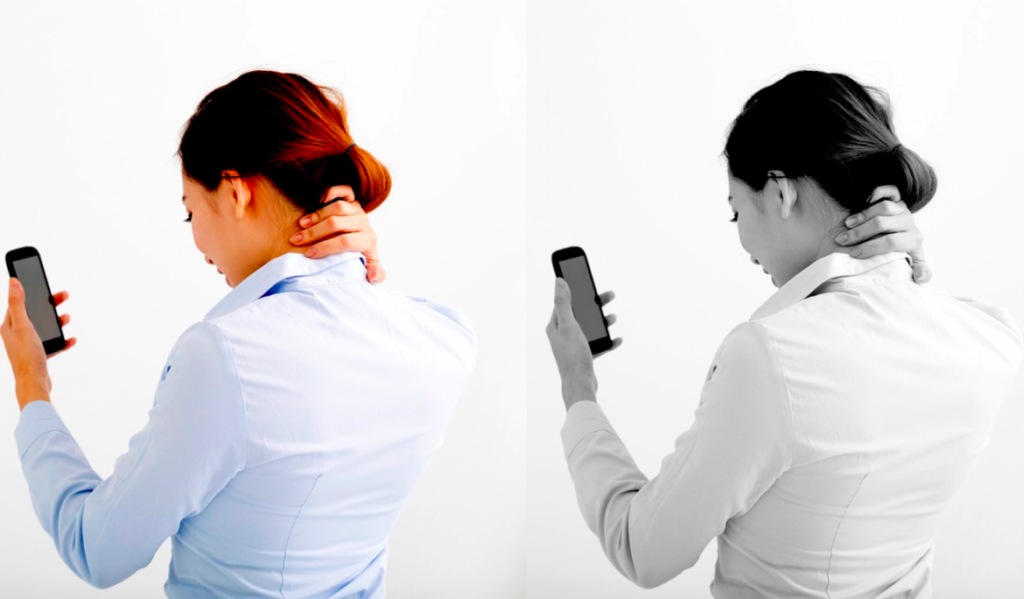
Text Neck Syndrome: The Dark Side of Your Smartphone Romance
TEXT NEXT Syndrome- The Dark Side of your smartphone Romance After all, staring at the screen for hours is bound to put pressure on the spine and subsequent degeneration. As per studies and diagnosis, the prevalence of the disease (Text Neck Syndrome) in Metro Cities is around 20-25 percent and the number is increasing. Spine diseases like osteoarthritis and others were earlier believed to be some old age problems, but we now have more young patients than old ones. Smartphones and other handheld devices are indeed making our lives easier and simpler by enabling us to get connected and stay updated; but as we know, every coin has two sides. The health hazards due to radiation from excessive cell phone use are well known. The darker side of being plugged with electronic gadgets is a disease called Text Neck Syndrome, which is silently but swiftly increasing among people in the city and especially the young ones. After all, staring at the screen for hours is bound to put pressure on the spine and subsequent degeneration. Look around you. You will be surrounded by people busy texting or just staring at their phones. It is not surprising that today, the ‘text neck’ syndrome is pervasive across society. It can cause serious problems if not reined in on time. As per studies and diagnosis, the prevalence of this disease in Metro Cities is around 20-25 percent and the number is increasing. Spine diseases like osteoarthritis and others were earlier believed to be some old age problems, but we now have more young patients than old ones. The scenario is nothing better altogether, as every one out of four patients is suffering from spine pain and disorders around the world. With a 10 percent bend of the neck, we give 10 pounds extra pressure on the cervical. So, if one remains bent for an hour for 50 degrees, it means he or she is putting 50 pounds of pressure on his cervical, which would further lead to stiffness, pain, and other problems. Neglecting the disease can lead to arthritis, spine imbalance, and slip disks. Early detection of the problem can be helpful in avoiding permanent damage. If one is stuck in an unnatural posture of looking down for a continuous prolonged period of time, it will result in extreme soreness and neck pains, cramping and tightening of muscles serves across the shoulders, severe chronic headaches, dizziness, and numbness, and tingling in fingers. There are however a number of measures, including taking regular breaks during work, to keep text neck syndrome and other spine-related diseases at bay. HOW DO YOU GET TEXT NECK SYNDROME? This is basically a term used to describe stress injury and pain in the neck, shoulders, and upper back. This injury is the result of long hours spent with head bent forward, shoulders rounded, and back slumped. This is the classic posture of a cell phone addict. This condition can have a debilitating effect on a person’s life with headaches becoming a common occurrence. This posture compresses and tightens the muscles, tendons, and ligaments in the front of the neck. At the same time, it pulls at the muscles, tendons, and ligaments on the back of the neck and stretches them. This unnatural compression and stretching of the upper body and neck can, over time, cause damage to the affected part of the body. If left untreated, it can have serious lifestyle and health consequences. SYMPTOMS OF TEXT NECK SYNDROME If you spend too much time with your cell phone, tightness in the shoulders and a nagging pain in the neck can be the first indication that something is not right. Over time, this can lead to sharp spasms in the upper back and shoulders. Your neck will feel sore to the touch. This kind of posture can compress cervical nerves. In such cases, you will experience pain that radiates from your shoulders, down your arms to your hands. Take prompt action. If left untreated, it can lead to serious neurological problems. IMPACT ON YOUR NECK Our head weighs a lot. On average, the weight of a human head is around 10 to 12 pounds in its normal position. But if we bend our neck forward, the weight magnifies. Just imagine your neck straining to carry this weight over a prolonged period of time. This is what happens when the neck is bent forward. Over time, this can cause soreness, pain, and also severe neck injury. It can eventually lead to spondylitis and cause problems that are related to cervical spine defects. IMPACT ON YOUR BRAIN When we adopt a hunched posture our neck has to take on the added responsibility of bearing the weight of our head. This extra weight can cause changes in neck proprioception. This will not only affect our return impact reflex but also our balance and posture. According to medical science, 60% of brain stimulation comes from the spine and 1/3 of all stimulation is from the neck. Any injury to the neck area will have an effect on the brain and prevent it from getting the signals that it needs for perceiving the environment and your health. It can also affect our central nervous system and this can interfere with the spine’s sensory-motor control. TREATMENT OPTIONS FOR TEXT NECK SYNDROME Prevention is always better than a cure. So, first of all, you must try to adopt some preventive measures that may prevent the onset of this disease. ¬ Raise devices: Move cell phone (and other devices) to eye level so head needn’t have to be tilted ¬ Take frequent breaks: Spend some time away from the phone or any type of head-forward posture. Change positions when texting. Lying on one’s back is an excellent way to relieve pressure on neck¬ Stand up straight: Good posture, with shoulders, pulled back, keeps the body aligned in a neutral position ¬ Arch and stretch: Arch neck and upper back backward periodically to ease muscle pain Physiotherapy