
Pain in the area between the genitals and the anus, called the perineal region, can be distressing and difficult to talk about. It may affect the testes in men, the vulva in women, or the area around the anus (perianal region). Many people suffer silently because they feel embarrassed or assume the pain is due to an infection or another common problem. However, in some cases, the pain is caused by irritation or damage to the pudendal nerve, a condition known as pudendal neuralgia.
What is Pudendal Neuralgia?
The pudendal nerve is one of the main nerves of the pelvis. It carries sensation from the genitals, the area around the anus, and the perineum. It also helps control the muscles involved in passing urine and stool.
When this nerve becomes compressed, irritated, or injured, it can cause chronic pain known as pudendal neuralgia. Although it is not a life-threatening condition, it can significantly affect a person’s quality of life, making sitting, working, exercising, and even intimate relationships difficult.
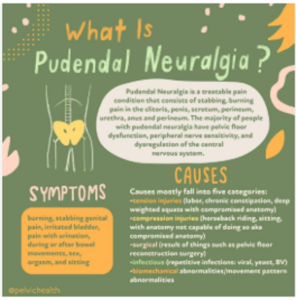
What Causes Pudendal Neuralgia?
There are several possible causes of pudendal nerve irritation, including:
- Prolonged sitting, especially on hard surfaces
- Long-distance cycling or horse riding
- Childbirth, particularly difficult or prolonged labour
- Pelvic surgery
- Falls or injuries to the pelvic region
- Repetitive strain or trauma
- Entrapment (compression) of the pudendal nerve as it passes through the pelvis
- In some people, no definite cause can be identified.
Common Symptoms

The symptoms vary from person to person but usually include:
- Burning, stabbing, shooting, or electric shock-like pain in the perineal region
- Pain in the testes, scrotum, penis, vulva, vagina, or clitoris
- Pain around the anus or rectum
- Pain that becomes worse while sitting and improves on standing or lying down
- Tingling, numbness, or increased sensitivity in the affected area
- Feeling as though there is a foreign object or lump in the rectum or vagina
- Pain during or after sexual intercourse
- Difficulty sitting for long periods
- Sometimes pain while passing urine or stool, even when no infection is present
The pain may affect one side or both sides and may range from mild discomfort to severe disabling pain.
How is it Diagnosed?
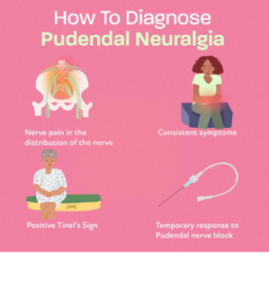
There is no single blood test or scan that confirms pudendal neuralgia. Diagnosis is mainly based on:
- A detailed medical history
- Physical examination
- The characteristic pattern of pain
- MRI or CT scans to rule out other causes
- Nerve conduction studies in selected patients
- Diagnostic pudendal nerve block, where a local anaesthetic is injected around the nerve. Temporary pain relief after the injection strongly suggests pudendal neuralgia.
Because the symptoms can resemble urinary infections, piles, prostate problems, gynaecological disorders, or spinal disease, many patients are initially misdiagnosed.
Treatment Options
The good news is that most patients improve with appropriate treatment.

Lifestyle Changes
Simple changes may reduce pressure on the pudendal nerve:
- Avoid prolonged sitting.
- Use a specially designed cushion with a cut-out in the middle.
- Take frequent standing or walking breaks.
- Avoid activities such as long-distance cycling until symptoms improve.
Medications
Pain caused by nerves often does not respond well to ordinary painkillers. Doctors may prescribe medications that specifically treat nerve pain, such as:
- Gabapentin
- Pregabalin
- Duloxetine
- Amitriptyline
These medicines reduce abnormal nerve signals and gradually improve symptoms.
Pelvic Floor Physiotherapy
Some patients have tight pelvic floor muscles that worsen pudendal nerve irritation. A trained pelvic floor physiotherapist can teach stretching, relaxation exercises, posture correction, and muscle retraining to relieve symptoms.
Pudendal Nerve Block
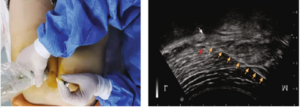
A pudendal nerve block involves injecting local anaesthetic, often combined with a steroid, around the pudendal nerve under ultrasound, CT, or fluoroscopic guidance.
Benefits include:
- Confirmation of the diagnosis
- Temporary or prolonged pain relief
- Reduction of inflammation around the nerve
- Improved ability to participate in physiotherapy
Some patients require repeated injections for sustained relief.
Radiofrequency Treatment
If nerve blocks provide temporary relief, pulsed radiofrequency (PRF) treatment may be recommended. This minimally invasive procedure applies controlled electrical energy around the nerve without damaging it. PRF can reduce pain for several months in selected patients.
Surgery
In rare cases where the pudendal nerve is severely trapped and conservative treatments fail, surgical decompression may be considered. Surgery is reserved for carefully selected patients after thorough evaluation by specialists.
Prevention
Although not all cases can be prevented, the following measures may help:
- Maintain good sitting posture.
- Avoid prolonged pressure on the pelvic area.
- Use appropriate cycling seats if cycling regularly.
- Strengthen and relax pelvic floor muscles under professional guidance.
- Seek early medical advice if persistent pelvic pain develops.
When Should You See a Doctor?
Consult a pain specialist if you have:
- Persistent pain in the testes, vulva, penis, or around the anus lasting more than a few weeks
- Pain that worsens while sitting
- Burning or electric shock-like pain in the pelvic region
- Pain affecting daily activities, work, sleep, or sexual function
- Symptoms despite normal investigations for infection or other common conditions
Conclusion
Pudendal neuralgia is an often-overlooked cause of chronic pain in the perineum, testes, vulva, and around the anus. Because its symptoms mimic many other conditions, diagnosis is often delayed. Fortunately, early recognition and appropriate treatment—including medications, pelvic floor physiotherapy, pudendal nerve blocks, and advanced pain management techniques such as pulsed radiofrequency—can provide significant relief. If you experience persistent pelvic or perineal pain, do not ignore it or suffer in silence. Seeking expert medical evaluation can help identify the cause and restore comfort, mobility, and quality of life.