Uncategorized

Plantar fasciitis treatment at Pain Management Clinic in Thane
Uncategorized

Plantar Fasciitis Treatment at a Pain Management Clinic in Thane

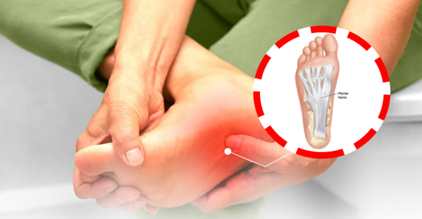
Plantar fasciitis is one of the most common causes of heel pain in adults. It can affect people of all ages, but it is especially common among middle-aged individuals, runners, people who spend long hours standing, and those who are overweight. Although the condition can be painful and frustrating, most people recover successfully with proper treatment and lifestyle changes.  What Is Plantar Fasciitis?  The plantar fascia is a thick band of connective tissue that runs along the bottom of the foot. It stretches from the heel bone to the base of the toes and acts like a shock absorber, supporting the arch of the foot. When this tissue becomes irritated, inflamed, or develops tiny tears due to repeated stress, the condition is called plantar fasciitis.  Despite the name suggesting inflammation, modern research indicates that chronic plantar fasciitis often involves degeneration of the tissue rather than active inflammation.  What Causes Plantar Fasciitis?  Plantar fasciitis develops when excessive stress is placed on the plantar fascia. Several factors can increase the risk:  Prolonged standing, especially on hard surfaces   Excess body weight or obesity   Running, jogging, or high-impact sports   Flat feet or excessively high arches   Tight calf muscles or Achilles tendon   Wearing shoes with poor arch support   Sudden increase in physical activity   Aging, which reduces the elasticity of tissues   Many people develop plantar fasciitis without any obvious injury. Instead, the condition usually develops gradually over time. What Are the Symptoms?  The most common symptom is pain at the bottom of the heel. Typical features include:  Sharp or stabbing pain when taking the first steps in the morning   Pain after sitting for a long period and then standing up   Heel pain that improves after walking for a few minutes but may return later   Discomfort after prolonged standing or exercise   Tenderness when pressing on the inner side of the heel   The pain is often worse in the morning because the plantar fascia tightens during sleep. When a person stands and walks, the tissue stretches suddenly, causing pain.  How Is It Diagnosed?  Diagnosis is usually based on a medical history and physical examination. A doctor will ask about symptoms, daily activities, and examine the foot for tenderness and tightness.  In most cases, imaging tests are not required. However, X-rays, ultrasound, or MRI may be recommended if symptoms are severe, prolonged, or if another condition is suspected. A heel spur may be seen on an X-ray, but heel spurs themselves are not usually the cause of pain.  Treatment Options  Most people improve without surgery. Conservative treatment is successful in over 90% of cases.  Rest and Activity Modification  Reducing activities that worsen pain, such as prolonged standing or running, allows the tissue to heal. Low-impact exercises like swimming or cycling may be continued.  Stretching Exercises  Regular stretching of the plantar fascia and calf muscles is one of the most effective treatments. Simple exercises performed several times a day can reduce tension on the heel.  Examples include:  Calf stretches against a wall   Toe stretches   Rolling the foot over a cold water bottle or tennis ball Proper Footwear  Supportive shoes with good cushioning and arch support help reduce stress on the plantar fascia. Walking barefoot on hard floors should be avoided.  Orthotic Inserts  Custom-made or over-the-counter shoe inserts can provide additional support and improve foot mechanics.  Ice Therapy  Applying ice to the painful area for 15–20 minutes several times a day can reduce pain and inflammation.  Medications  Pain-relieving medications such as paracetamol or non-steroidal anti-inflammatory drugs (NSAIDs) may provide temporary relief. These should be used according to medical advice.  Night Splints  Night splints keep the foot gently stretched while sleeping and may reduce morning pain.    Advanced Treatment Options  If symptoms persist for several months despite conservative treatment, additional therapies may be considered  Platelet-rich plasma (PRP) therapy   Extracorporeal shockwave therapy (ESWT)   Radiofrequency treatment in selected cases   These treatments are generally reserved for patients who do not respond to standard care.  Is Surgery Necessary?  Surgery is rarely required. It is usually considered only after 6–12 months of unsuccessful conservative treatment. Surgical procedures aim to release part of the plantar fascia and relieve tension. Most patients recover without needing surgery.  Prevention  Several simple measures can help prevent plantar fasciitis:  Maintain a healthy body weight   Wear supportive and comfortable footwear   Replace worn-out athletic shoes regularly   Stretch calf muscles and feet daily   Increase exercise intensity gradually   Avoid prolonged standing whenever possible   Conclusion  Plantar fasciitis is a common and treatable cause of heel pain. Although the condition can interfere with daily activities, most people recover with conservative measures such as stretching exercises, proper footwear, weight management, and activity modification. Early diagnosis and treatment can prevent chronic pain and help individuals return to their normal activities more quickly. If heel pain persists or significantly affects daily life, consultation with a healthcare professional is recommended for proper evaluation and management at a pain management clinic in Thane. A pain specialist doctor in Thane can help diagnose the condition accurately and recommend appropriate treatment options.   

Diabetic Neuropathy Treatment
Uncategorized

Diabetic Neuropathy Treatment

An estimated 50% of people with diabetes will develop nerve damage at some point. As an interventional pain physician, I see patients every day who have been quietly enduring burning, tingling, or stabbing pain in their feet and hands, often assuming it is just an inevitable part of aging or diabetes.  It doesn’t have to be. Diabetic neuropathy is a complex condition, but understanding how it happens, recognizing the early warning signs, and knowing your treatment options can help you protect your nerves and reclaim your quality of life.  What is Diabetic Neuropathy?  Put simply, diabetic neuropathy is nerve damage caused by chronically high blood sugar levels.  Think of your nerves as electrical cables that send signals between your brain and the rest of your body. Over time, high levels of glucose (sugar) and fats in the blood damage these delicate cables. High blood sugar also injures the walls of the tiny blood vessels (capillaries) that supply your nerves with vital oxygen and nutrients. Starved of nutrients, the nerves begin to misfire, send false pain signals, or go completely numb.  While it can affect nerves anywhere in the body, the most common form is peripheral neuropathy, which impacts the extremities—usually starting in the toes and feet before moving up to the calves and hands. Red Flags: Recognizing the Symptoms  Neuropathy doesn’t usually happen overnight; it creeps up gradually. In the early stages, symptoms might be subtle, but they generally present in two distinct ways:  1. Pain and Abnormal Sensations (The “Positive” Symptoms)  Your nerves become hypersensitive and fire randomly. Patients often describe this as:  A burning, searing sensation, often worse at night.  A feeling of “pins and needles” or tingling.  Sharp, shooting pains or electric shock-like sensations.  Allodynia: A condition where even the light touch of a bedsheet or clothing feels intensely painful or irritating.  2. Numbness and Loss of Feeling (The “Negative” Symptoms)  Your nerves lose the ability to transmit signals entirely. This is particularly dangerous because you might experience:  A feeling like you are always wearing thick socks or walking on cotton balls.  Loss of the ability to feel pain, heat, or cold.  Unsteadiness on your feet or loss of balance, because your brain can no longer “feel” the ground properly.  The Silent Danger of Numbness: If you cannot feel pain, you won’t notice a small blister, a pebble in your shoe, or a minor cut. Left unnoticed and untreated, these minor injuries can easily turn into deep, infected ulcers, which are the leading cause of diabetic foot amputations.  Action Plan: Prevention and Daily Care  The most important truth about diabetic neuropathy is that prevention is the best cure. Once nerve fibers are severely damaged or destroyed, they cannot easily be replaced.  Tight Blood Sugar Control: This is your foundation. Keeping your HbA1c (average blood sugar over 3 months) within your target range stabilizes nerve health and prevents existing damage from worsening.  The Daily Foot Inspection: Make it a habit to check your feet every single evening. Look for redness, blisters, cuts, swelling, or ingrown toenails. Use a mirror to see the bottoms of your feet if needed, or ask a family member for help.  Never Walk Barefoot: Even indoors, wear supportive shoes or slippers to shield your feet from accidental punctures or stubs.  Choose the Right Footwear: Wear clean, dry, seamless cotton socks. Ensure your shoes fit well—neither too tight (which restricts blood flow) nor too loose (which causes friction blisters).  Beyond Pills: How Interventional Pain Medicine Can Help  When lifestyle adjustments and blood sugar controls are not enough to manage the pain, patients are typically prescribed oral medications, such as specific anti-seizure drugs or antidepressants that alter how the brain perceives nerve pain.  However, these medications can sometimes cause heavy side effects like chronic drowsiness, dizziness, or brain fog, and they don’t always provide sufficient relief. This is where the field of interventional pain medicine steps in. We offer targeted, advanced therapies designed to interrupt pain signals right at the source, minimizing the need for heavy oral medications.  Advanced Interventional Options  Sympathetic Nerve Blocks: These are targeted injections near the spine that temporarily quiet down the overactive sympathetic nervous system. This can improve blood flow to the lower extremities and significantly reduce burning pain.  Spinal Cord Stimulation (SCS): For severe, chronic diabetic nerve pain that hasn’t responded to medications, SCS is a highly effective, FDA-approved technology. It involves placing a tiny implant near the spinal cord that delivers mild electrical pulses. These pulses mask the pain signals before they can reach your brain, replacing the burning sensation with a gentle, soothing tingle.  Take Charge of Your Nerve Health  Diabetic neuropathy can be frustrating and isolating, but you do not have to just live with the pain or accept it as a foregone conclusion.  If you are experiencing tingling, burning, or a loss of sensation in your feet, do not wait for your next annual check-up. Speak to your endocrinologist, primary care doctor, or an interventional pain specialist early. Catching nerve changes in their infancy gives us the best chance to protect your mobility, eliminate your pain, and keep you moving comfortably.      Conclusion  Living with diabetic neuropathy can affect every step you take, but early diagnosis and the right treatment can help prevent complications and improve your quality of life. From controlling blood sugar levels and protecting your feet to advanced interventional pain therapies, timely care plays a crucial role in preserving nerve health and mobility. If you are experiencing burning pain, tingling, numbness, or weakness in your feet or hands, do not ignore these warning signs.  At Palash Pain Clinic, patients receive comprehensive care for chronic nerve pain and diabetic neuropathy under the guidance of Dr. Manjiri Ranade, an experienced Pain specialist doctor in Thane. As a trusted Pain management clinic in Thane, the clinic offers advanced, patient-focused treatments aimed at reducing pain, improving function, and helping patients return to a more active and comfortable life.     

Text neck syndrome and neck pain treatment in Thane
Uncategorized

Text Neck Syndrome: Expert Neck Pain Treatment in Thane

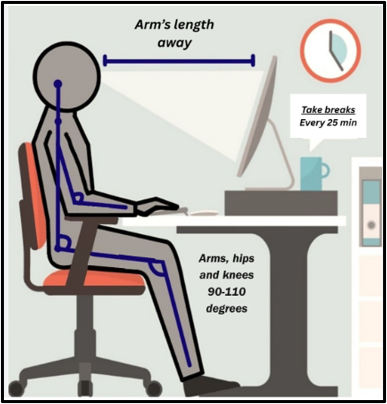
In today’s digital world, mobile phones, tablets, laptops, and computers have become an inseparable part of daily life. From checking messages and social media to attending online classes and office meetings, many people spend several hours every day looking at screens. While technology makes life easier, it has also introduced a new health issue called Text Neck Syndrome.  Text neck syndrome refers to neck pain and strain caused by looking down at electronic devices for long periods. The human head weighs around 4 to 5 kilograms when held upright. However, when the neck bends forward, the pressure on the spine increases significantly. At a 15-degree tilt, the neck feels about 12 kg of force; at 60 degrees, it can feel like carrying nearly 27 kg. Imagine carrying a heavy school bag on your neck all day—this is similar to what happens when you constantly look down at your phone.  Why Does Text Neck Happen?  Our neck is designed to support the head in a balanced, upright position. When we repeatedly bend the neck forward, the muscles, ligaments, and joints become overworked. Over time, this causes muscle fatigue, stiffness, and pain.  Common reasons for text neck include:  Excessive smartphone use   Working on laptops without proper desk setup   Poor posture while studying or reading  Long gaming sessions  Watching videos in bed with the head bent forward Children and teenagers are increasingly affected because of prolonged screen time for education and entertainment.  Symptoms of Text Neck Syndrome  The symptoms may begin gradually and are often ignored initially. Common symptoms include:  Neck pain or stiffness   Pain between the shoulder blades  Upper back pain   Headaches, especially at the back of the head Shoulder pain   Reduced neck movement  Tingling or numbness in arms or hands in severe cases   Some people also complain of fatigue and poor concentration due to constant muscle tension.    Long-Term Problems  If text neck is ignored for a long time, it can lead to more serious issues. Constant stress on the spine may cause:  Early wear and tear of neck joints   Muscle imbalance   Flattening of the normal neck curve   Disc problems such as slipped disc Chronic neck pain  Poor posture can also affect breathing efficiency and overall body alignment.  How Is It Diagnosed?  Doctors usually diagnose text neck syndrome based on symptoms, posture evaluation, and physical examination. They may ask about daily screen time and work habits.  In cases of severe pain, persistent symptoms, or arm numbness, investigations such as X-rays or MRI may be advised to rule out cervical spine problems.  Treatment of Text Neck Syndrome  The good news is that text neck syndrome is usually reversible if treated early.  CorrectingPosture[Text Wrapping Break]Thisis the most important treatment. Hold your phone at eye level rather than bending your neck down. Keep your back straight and shoulders relaxed.  Take FrequentBreaks[Text Wrapping Break]Followthe 20-20-20 rule: every 20 minutes, take a 20-second break and look 20 feet away. Stand up, stretch, and move around.  NeckExercises[Text Wrapping Break]Simplestretching and strengthening exercises help relieve stiffness and improve posture:  Neck rotations   Chin tucks   Shoulder rolls   Gentle side bending   ErgonomicWorkspace[Text Wrapping Break]Whileworking on a laptop or desktop:  Screen should be at eye level   Chair should support the lower back   Feet should rest flat on the floor   Elbows should be at 90 degrees   Using a laptop stand or external keyboard can help.  Pain Relief Measures[Text Wrapping Break]For pain relief: Hot fomentation or warm compress   Mild pain medications if advised by a doctor   Interventional Pain Management Options for Text Neck Syndrome   Trigger point MIPSI   Cervical epidural steroid MIPSI   Facet joint MIPSI   Medial branch MIPSI   Radiofrequency ablation of cervical medial branches   Occipital nerve MIPSI (for associated cervicogenic headache)   Cervical paraspinal muscle MIPSI   Botulinum toxin injections in selected muscle spasm cases   Dry needling   Ultrasound-guided nerve MIPSI   Regenerative MIPSI (e.g., Platelet-Rich Plasma therapy, prolotherapy)   Transcutaneous Electrical Nerve Stimulation (TENS) adjunct therapy     6. Physiotherapy[Text Wrapping Break]If symptoms persist, physiotherapy may include posture correction, muscle strengthening, ultrasound therapy, or manual therapy.  Prevention Is Better Than Treatment  Preventing text neck is easier than treating chronic pain. Follow these simple habits:  Limit unnecessary screen time   Keep devices at eye level   Sit upright while using gadgets   Avoid using phone in bed for long periods   Exercise regularly to keep neck and back muscles strong   Encourage children to spend more time in physical activity   Parents should monitor gadget use in children and teach good posture early.  When to See a Doctor?  Consult a doctor if:  Pain lasts more than a few weeks   Pain is severe or worsening   Numbness or weakness develops in arms   Headaches become frequent   Early medical advice can prevent long-term complications.  Conclusion  Text neck syndrome is a growing health concern in the digital age. Though it sounds like a simple problem, prolonged poor posture can seriously affect the neck and spine. Awareness, posture correction, regular breaks, and exercises are key to prevention. Technology is here to stay, but our habits must change to keep our spine healthy. By making small daily adjustments, we can avoid pain and continue using digital devices safely. 

Uncategorized

ट्रायजेमिनल न्युराल्जिया (Trigeminal Neuralgia): चेहऱ्यातील तीव्र वेदना समजून घ्या

ट्रायजेमिनल न्युराल्जिया हा चेहऱ्याच्या मज्जातंतूशी संबंधित एक गंभीर वेदनादायक आजार आहे. ट्रायजेमिनल नर्व्ह (Trigeminal nerve) हा चेहऱ्यातील संवेदना मेंदूपर्यंत पोहोचवणारा मुख्य मज्जातंतू आहे. या आजारामध्ये रुग्णाला चेहऱ्याच्या एका बाजूला अचानक, तीव्र आणि विजेचा झटका बसल्यासारखी वेदना जाणवते. ही वेदना इतकी तीव्र असू शकते की ती वैद्यकीय क्षेत्रातील सर्वात तीव्र वेदनांपैकी एक मानली जाते.  ट्रायजेमिनल न्युराल्जिया म्हणजे काय?  ट्रायजेमिनल नर्व्हच्या तीन शाखा असतात:  पहिली शाखा कपाळ आणि डोळ्याच्या भागाला संवेदना देते   दुसरी शाखा गाल आणि वरच्या जबड्याला संवेदना देते   तिसरी शाखा खालच्या जबड्याला संवेदना देते   या तिन्हीपैकी कोणतीही एक किंवा अधिक शाखा प्रभावित होऊ शकतात. रुग्णाला अचानक सुरीने भोसकल्यासारखी, जळजळ करणारी किंवा विजेचा झटका बसल्यासारखी वेदना जाणवते. वेदना काही सेकंदांपासून १–२ मिनिटांपर्यंत टिकू शकते आणि दिवसातून अनेक वेळा होऊ शकते.  हा आजार का होतो?  सर्वात सामान्य कारण म्हणजे चेहऱ्याजवळील एखादी रक्तवाहिनी ट्रायजेमिनल नर्व्हवर दाब आणते. त्यामुळे त्या नर्व्हचे संरक्षण करणारे आवरण (myelin) खराब होते आणि नर्व्ह अतिसंवेदनशील बनते.  इतर कारणांमध्ये:  Multiple sclerosis सारखा मज्जासंस्थेचा आजार   मेंदूमधील गाठ (tumor)   चेहऱ्याला दुखापत   चेहरा किंवा दातांवरील पूर्वीची शस्त्रक्रिया   हा आजार ५० वर्षांवरील लोकांमध्ये जास्त आढळतो आणि स्त्रियांमध्ये थोडा अधिक सामान्य आहे.  लक्षणे   मुख्य लक्षण म्हणजे चेहऱ्याच्या एका बाजूला अचानक होणारी तीव्र वेदना.  सामान्य लक्षणे:  अचानक सुरू होणारी विजेच्या झटक्यासारखी वेदना   चेहऱ्याच्या एका बाजूला वेदना   काही सेकंद ते मिनिटभर चालणारे वेदनांचे झटके   वेदनांमधील काही काळ पूर्ण आराम   कालांतराने वेदना वाढणे   वेदना वाढवणारे कारणे:  दात घासणे   चेहरा धुणे   दाढी करणे   बोलणे   हसणे   खाणे किंवा चघळणे   थंड वा गरम पदार्थ पिणे   चेहऱ्यावर वारा लागणे   कधी कधी झटक्यांमधील काळात सौम्य जळजळ किंवा बोथट वेदनाही जाणवू शकते. निदान कसे केले जाते?  डॉक्टर रुग्णाचा इतिहास आणि लक्षणांवरून निदान करतात.  ते खालील गोष्टी विचारतात:  वेदनेचा प्रकार   वेदनेचे ठिकाण   कालावधी   ट्रिगर होणारी कारणे   वेदनेची वारंवारिता   मेंदूचा MRI scan करून नर्व्हवर रक्तवाहिनीचा दाब, गाठ किंवा इतर कारणे शोधली जातात.  हा आजार अनेकदा दातदुखी समजला जातो. त्यामुळे काही रुग्णांमध्ये अनावश्यक दात काढणे किंवा दंतचिकित्सा केली जाते.  उपचार  उपचारांचा उद्देश वेदना कमी करणे आणि जीवनमान सुधारणे हा असतो.  १. औषधे  सर्वप्रथम औषधोपचार केले जातात.  सामान्य औषधे:  Carbamazepine – सर्वाधिक वापरले जाणारे औषध   Oxcarbazepine   Gabapentin   Pregabalin   Baclofen   ही औषधे मज्जातंतूंची असामान्य संवेदनशीलता कमी करतात. २. शस्त्रक्रिया व इतर प्रक्रिया  औषधांनी आराम न झाल्यास खालील पर्याय वापरले जाऊ शकतात.  Microvascular decompression नर्व्हवर दाब देणारी रक्तवाहिनी दूर करून कुशन ठेवले जाते. दीर्घकालीन आराम मिळू शकतो.  Radiofrequency ablation उष्णतेच्या साहाय्याने वेदना देणाऱ्या नर्व्ह फायबर्सना नियंत्रित केले जाते.        Gamma Knife radiosurgery किरणोपचाराद्वारे नर्व्हवर उपचार केले जातात; यात मोठी शस्त्रक्रिया लागत नाही.  Balloon compression / Glycerol injection नर्व्हवर नियंत्रित परिणाम करून वेदना कमी केल्या जातात.  शस्त्रक्रियेपेक्षा RF ट्रायजेमिनल उपचाराचे फायदे: Trigeminal Neuralgia साठी रेडिओफ्रिक्वेन्सी (RF) उपचार हा शस्त्रक्रियेपेक्षा कमी आक्रमक असतो. यात मोठी चीर किंवा टाके लागत नाहीत. रुग्णालयात कमी दिवस राहावे लागते, लवकर बरे होता येते, वेदनांपासून प्रभावी आराम मिळतो आणि रक्तस्त्राव, संसर्ग तसेच दीर्घ पुनर्वसनाचा धोका तुलनेने कमी असतो.  या आजारासह जगणे  यजेमिनल न्युराल्जियामुळे रुग्ण मानसिकदृष्ट्याही त्रस्त होऊ शकतो. वेदना होण्याच्या भीतीमुळे रुग्ण बोलणे, खाणे किंवा बाहेर जाणे टाळू शकतो.  उपयुक्त सल्ले:  मऊ अन्न खाणे   अतिथंड किंवा अतिगरम पदार्थ टाळणे   चेहरा थंड वाऱ्यापासून वाचवणे   तोंडाची स्वच्छता काळजीपूर्वक राखणे   ताणतणाव कमी ठेवणे   डॉक्टरांचा सल्ला कधी घ्यावा?  खालील लक्षणे असल्यास त्वरित डॉक्टरांचा सल्ला घ्या:  वारंवार तीव्र चेहऱ्याची वेदना   स्पर्श, बोलणे किंवा खाण्याने वाढणारी विजेसारखी वेदना   चेहऱ्यात मुंग्या येणे किंवा कमजोरी   सामान्य वेदनाशामक औषधे जसे पॅरासिटामॉल किंवा आयबुप्रोफेन सहसा या वेदनेवर प्रभावी नसतात.  निष्कर्ष  ट्रायजेमिनल न्युराल्जिया हा चेहऱ्याच्या मज्जातंतूंचा गंभीर पण उपचारयोग्य आजार आहे. वेदना तीव्र असली तरी योग्य औषधे, प्रक्रिया आणि शस्त्रक्रिया यामुळे बहुतेक रुग्णांना मोठा आराम मिळू शकतो. वेळेवर निदान आणि उपचार अत्यंत महत्त्वाचे आहेत. चेहऱ्यात वारंवार विजेसारखी वेदना होत असल्यास त्वरित तज्ज्ञ डॉक्टरांचा सल्ला घ्यावा. 

Uncategorized

Regenerative Medicine in Pain Management

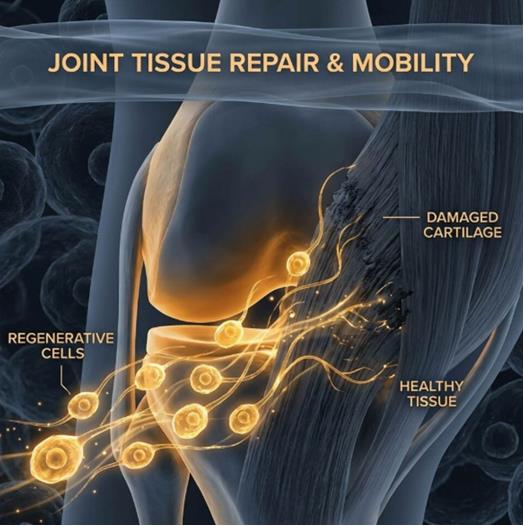
Regenerative medicine has emerged as a promising frontier in the management of acute and chronic pain, shifting the paradigm from symptomatic relief to tissue repair and restoration of function. Traditional pain management strategies—such as pharmacological therapy, nerve blocks, and surgery—often focus on alleviating symptoms rather than addressing the underlying pathology. In contrast, regenerative approaches aim to harness the body’s intrinsic healing mechanisms to repair damaged tissues, thereby offering the potential for long-term relief and improved quality of life. At its core, regenerative medicine involves the use of biological therapies such as platelet-rich plasma (PRP), stem cells, growth factors, and tissue engineering techniques. These therapies are designed to stimulate healing, reduce inflammation, and promote regeneration of musculoskeletal structures including cartilage, tendons, ligaments, and intervertebral discs—common sources of chronic pain. Platelet-Rich Plasma (PRP) is one of the most widely used regenerative therapies in pain management. PRP is derived from the patient’s own blood, which is centrifuged to concentrate platelets rich in growth factors. When injected into injured tissues, PRP enhances cellular repair, angiogenesis, and collagen synthesis. It has been used effectively in conditions such as osteoarthritis, tendinopathies (e.g., tennis elbow, Achilles tendinitis), and ligament injuries. Clinical studies have shown that PRP can reduce pain and improve function, particularly in early stages of degenerative diseases. Stem cell therapy represents another key modality in regenerative medicine. Mesenchymal stem cells (MSCs), typically harvested from bone marrow or adipose tissue, have the ability to differentiate into various cell types such as cartilage, bone, and muscle. In addition to their regenerative capacity, MSCs exert anti-inflammatory and immunomodulatory effects. In pain management, stem cell therapy has shown promise in treating osteoarthritis, degenerative disc disease, and chronic joint pain. Although still under investigation, early results suggest that stem cell therapy may slow disease progression and provide sustained pain relief. Growth factor therapy and biologics further enhance the regenerative process. Growth factors such as transforming growth factor-beta (TGF-β), platelet-derived growth factor (PDGF), and vascular endothelial growth factor (VEGF) play crucial roles in tissue repair. These molecules can be delivered directly or released from PRP and stem cells to accelerate healing. Advances in biotechnology have also enabled the development of engineered scaffolds that support tissue regeneration by providing a structural framework for cell growth. Regenerative medicine has relevance in the management of chronic musculoskeletal pain, where conventional treatments often fall short. Conditions such as osteoarthritis, chronic low back pain, and sports injuries are associated with tissue degeneration and inflammation. By targeting the underlying pathology, regenerative therapies offer a disease-modifying approach rather than temporary analgesia. This is especially important in the context of the global opioid crisis, as regenerative medicine provides an alternative to long-term opioid use and its associated risks. Regulatory and ethical considerations also play a significant role. The use of stem cells, in particular, is subject to strict regulations to ensure patient safety and prevent misuse. Furthermore, the cost of regenerative therapies can be high, limiting accessibility for many patients. Insurance coverage remains inconsistent, which may hinder widespread adoption. Another important aspect is patient selection. Not all patients are ideal candidates for regenerative therapies, and outcomes may vary depending on factors such as age, severity of disease, and overall health status. Therefore, careful evaluation and individualized treatment planning are essential to achieve optimal results. Looking ahead, the future of regenerative medicine in pain management is highly promising. Advances in molecular biology, gene therapy, and tissue engineering are expected to enhance the effectiveness of these therapies. Personalized medicine approaches, where treatments are tailored to the patient’s genetic and biological profile, may further improve outcomes. Additionally, combining regenerative therapies with rehabilitation and physical therapy may yield synergistic benefits. In conclusion, regenerative medicine represents a transformative approach to pain management by focusing on healing rather than merely alleviating symptoms. While challenges remain, ongoing research and technological advancements are likely to expand its role in clinical practice. As evidence continues to evolve, regenerative therapies may become a cornerstone in the management of chronic pain, offering patients safer and more sustainable relief.

Scroll to Top